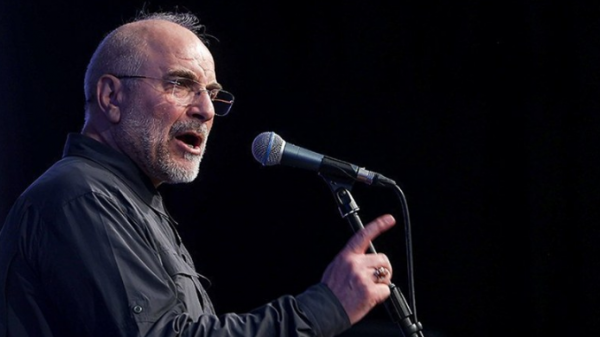



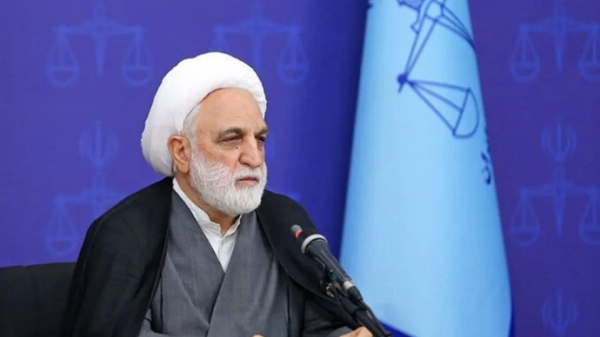
TEHRAN (WSN24) – Gholam Hossein Mohseni Ejei, the Chief of Iran’s Judiciary, conveyed Tehran’s willingness to engage in negotiations and achieve an agreement, but strictly adhering to “principles and logic”
During a session of the Supreme Council of Judiciary on Monday, Ejei elaborated on the prevailing circumstances in Iran and the unsuccessful aims of the adversary in both the “field” and “diplomacy” following 40 days of US-Israeli aggression.
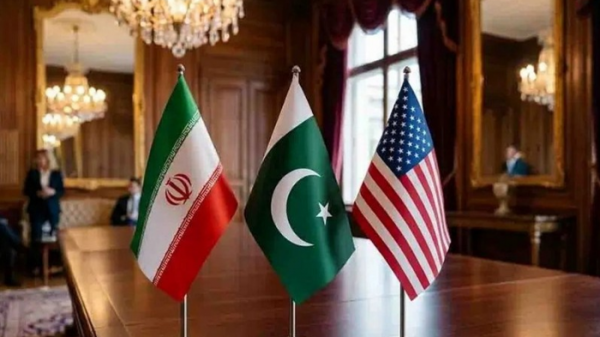
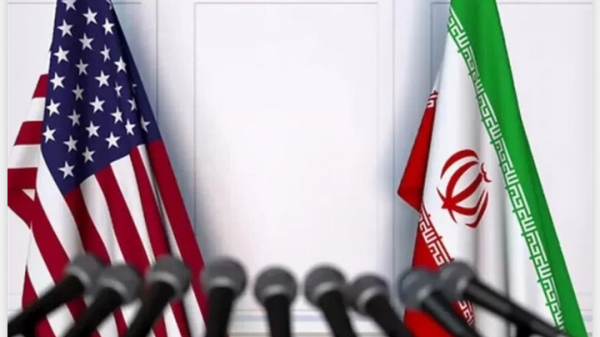
The chief judge remarked that the Americans, exhibiting their typical arrogance and superiority, adhered to their established negotiation strategy—specifically, the imposition of misleading statements—during the Pakistani-mediated discussions in Islamabad on April 11, seeking to gain from the negotiation table what they failed to accomplish in the 40-day conflict.
Nevertheless, he noted that the Iranian delegation, headed by Parliament Speaker Mohammad Baqer Qalibaf, skillfully defended the legitimate rights of the Iranian populace and the accomplishments on the battlefield, successfully countering the avaricious and arrogant Americans, just as they had been vanquished in the 40-day conflict.
Ejei further stated that Iran is open to negotiation and understanding, but strictly on the basis of principles and reason.
The Judiciary chief also emphasized that the protection and preservation of the achievements from the third defensive war is the foremost priority for all citizens, including diplomats, members of the executive branch, and those serving the nation within the Judiciary and legislative bodies, as well as various Iranian factions with differing thoughts and viewpoints.
All Iranians serve as defenders of the rights and accomplishments of those on the battlefield, as well as the courageous military personnel, he emphasized.
Ejei underscored the significance of preserving national unity, asserting that the Iranian populace remains united and cohesive, following the guidance of the Leader of the Islamic Revolution, Ayatollah Seyed Mojtaba Khamenei, and is actively engaged in providing comprehensive support to the Armed Forces.
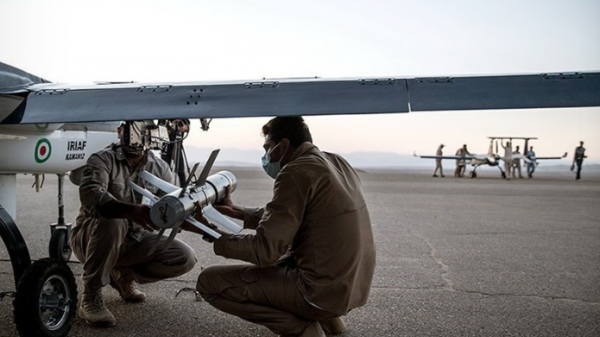
He also cautioned that the finger of Iran’s military forces is poised on the trigger, stressing that despite the temporary ceasefire, there has been no relaxation or pause among the valiant military servicemen.
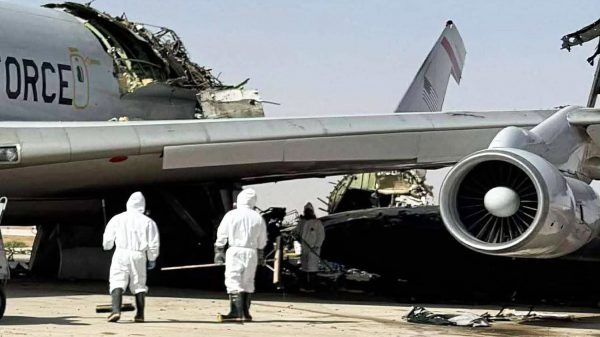
On February 28, after the assassination of the late Leader of the Islamic Revolution, Ayatollah Seyed Ali Khamenei, along with several military commanders, the US and Israel launched an extensive military campaign against Iran. In retaliation, the Iranian Armed Forces conducted a series of counterattacks over a period of 40 days, targeting American and Israeli military installations in the region and showcasing their combat capabilities. Contrary to expectations of a quick victory, the Iranian responses inflicted significant damage on US and Israeli assets, extending the conflict and heightening tensions in the region.
In a bid to reduce hostilities, a two-week ceasefire was established on April 8, facilitating mediated negotiations in Islamabad. During these discussions, Iran put forth a ten-point plan that called for the withdrawal of US troops, the lifting of sanctions, and control over the strategic Strait of Hormuz. Despite engaging in 21 hours of rigorous discussions with US negotiators in Pakistan, the Iranian delegation returned to Tehran without reaching a consensus, citing a lack of trust and the US’ inconsistent political stance.
SOURCE: WSN24 AND NEWS AGENCIES

WSN Bangladesh Registered Office :
Zusfiq Center: 16, Kemal Ataturk Avenue, Banani, Dhaka ---1213 104, Globe Chamber (2nd Floor) Motijheel C/A Dhaka - 1000 Call : +880 -1819-100-342 Mail: zusfiq@gmail.com